Luxury travel in July 2026 is moving towards privacy, moderate climates and deeper experiences.
Demand is expected to remain resilient. JLL forecasts global air-passenger volumes will grow 4.9% in 2026, while hotel investment volumes in 2025 were 22% above their 2023 trough.
Privacy becomes the new definition of luxury
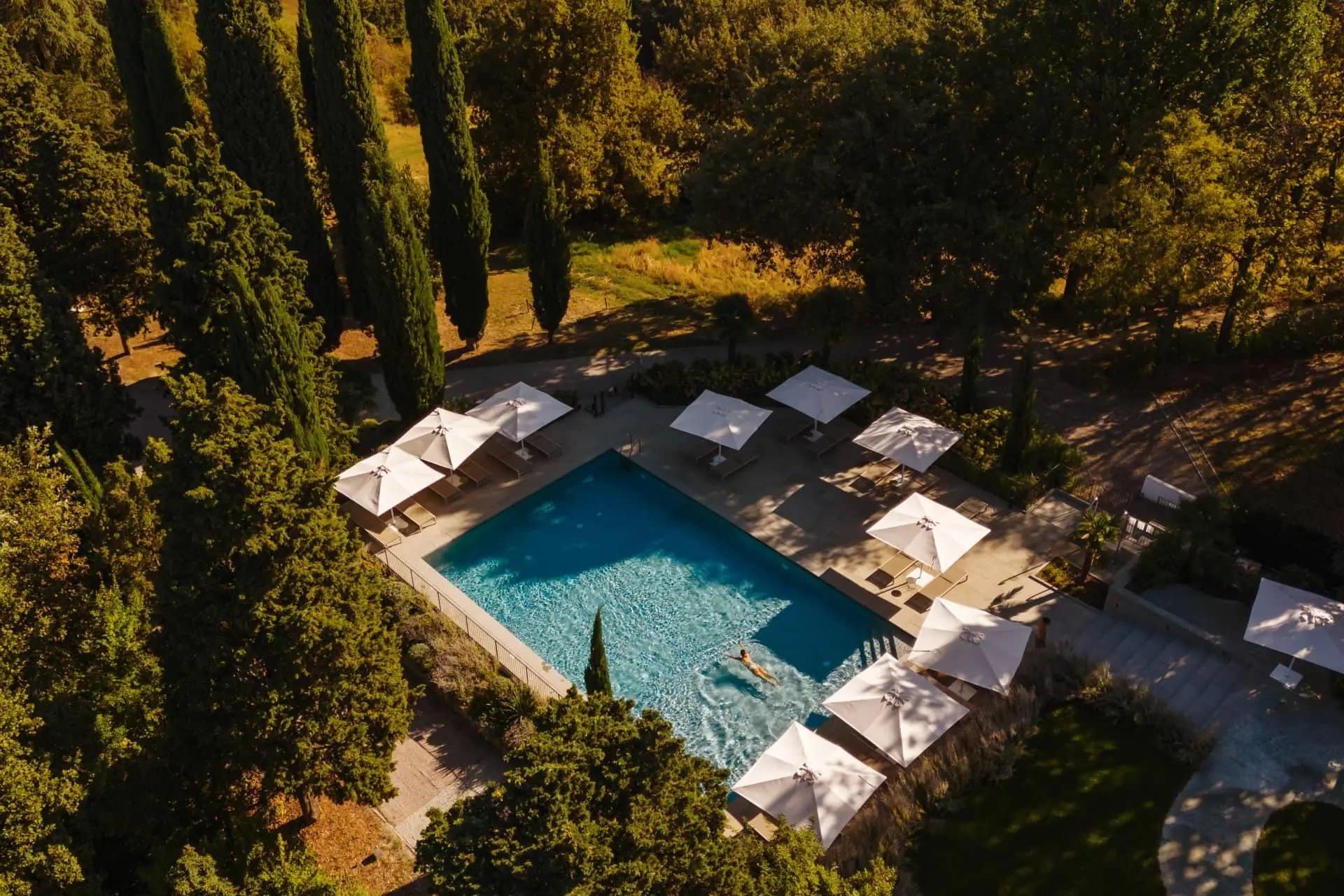
Secluded estates, private yachts, remote retreats and resort buyouts are replacing conspicuous opulence as markers of high-end travel. Milestone birthdays and family gatherings are helping to drive these bookings, which often include private transfers, specialist guides and dedicated chefs.
In Virtuoso’s 2026 Luxe Report, 45% of advisers said requests for ultraluxe travel had increased. Its findings, reported by Forbes, also point to greater scrutiny of value, even among wealthy clients.
“For today’s well-heeled traveler, comfortable climates and the freedom to enjoy the destination unencumbered by crowds are the new luxury,” Forbes said in its summary of the report.
Cooler destinations and shoulder seasons gain ground
Climate change is reshaping where and when luxury travellers go. In Virtuoso’s research, 45% of advisers said clients were adjusting plans because of climate change. Among that group, 76% reported a move towards shoulder-season or off-peak trips, while 75% saw demand for moderate weather.
Iceland, Antarctica and Norway are among the destinations rising in Virtuoso’s data.
Wellness and sustainability become more specific
Wellness trips now extend beyond traditional spa breaks into longevity programmes, mental restoration and nature immersion. Demand ranges from Ayurvedic stays in India to silent retreats in the Canadian Rockies.
Environmental claims are also under closer scrutiny. EHL research, citing Booking.com data, says 83% of travellers consider sustainable travel important and 45% find certified accommodation more appealing. Visible measures such as refillable amenities, locally sourced menus and clear energy information help guests understand what those credentials mean.