Winter 2026/27 will bring new hotels, renovated residences and improved mountain transport, but the most important change to luxury skiing is broader than any opening. Resorts are building holidays that remain appealing when conditions vary, from spa-led stays and serious dining to family activities and year-round mountain experiences.
The shift follows a long decline in natural snow reliability. A 2026 study of 43 Alpine basins found that the average snowline rose by approximately 157 metres between 1985 and 2024. Among downhill ski areas with a measurable trend, 94% experienced declining full-season snow reliability. That figure increased to 97.8% late in the season.
The findings track changes in the proportion of piste kilometres above the natural snowline rather than the effects of grooming, artificial snow or local operating decisions. They reveal the wider pressure behind changing resort calendars and investments.
Around 60% of Alpine downhill pistes, covering approximately 12,000km, already receive artificial snow. The study estimates that snowmaking across the region consumes between 132 million and 143 million cubic metres of water annually, alongside 706 to 839 GWh of electricity.
For travellers, the result is a more flexible kind of mountain escape. Ski-in/ski-out access still matters, but hotels are placing greater weight on the hours beyond the lifts and the months at either side of the traditional peak season.
Val d’Isère spreads demand across a longer season
Val d’Isère, the high-altitude French resort in the Tarentaise Valley, plans to operate from 28 November 2026 until 2 May 2027. With 60% of its slopes above 2,200 metres and access to two glaciers, it has physical advantages that support a long calendar.
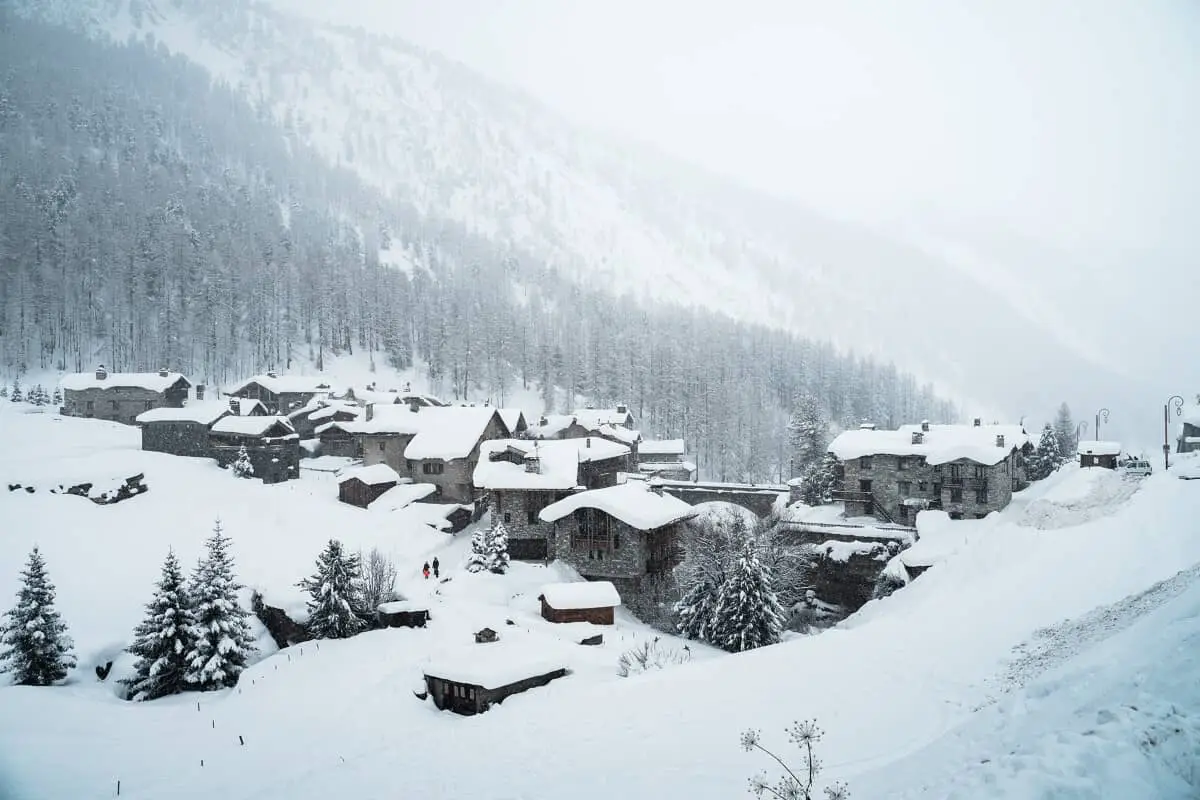
The resort is also using packages to draw guests away from Christmas and New Year. Its opening First Tracks weekend on 28 and 29 November starts at €147 per person for accommodation and a two-day ski pass. Selected spring packages between 18 April and 3 May 2027 will receive discounts of 40%.
That strategy also includes transport. The Travelski Night Express is expanding overnight connections from Amsterdam and Rotterdam, stopping in Antwerp and Brussels before reaching Moûtiers, Aime and Bourg-Saint-Maurice. Packages can include accommodation and equipment hire alongside the train, transfers and lift passes.
On the mountain, the resort’s Pompons Jaunes safety programme will involve more than 400 ambassadors. School workshops, supervised speed sessions, bilingual signs and instructional videos will address responsible skiing throughout the season.
Val d’Isère will also deploy its first Prinoth Leitwolf LTE-Motion electric snow groomer in the Pisaillas area. Compagnie des Alpes and Prinoth project that renewable electricity cuts the machine’s direct carbon dioxide output by 93% compared with an HVO-powered equivalent. The machine has a four-to-five-hour operating range, and a break for the driver allows rapid charging to lengthen that period.
In the village, La Folie Douce is taking over the historic Maison Chevallot bakery for La Folie Coffee. The quieter all-day concept will retain baking while introducing artisanal coffee, substantial lunches, work-friendly seating and après-ski treats.
Saint Roch brings residential luxury to Courchevel 1850
Saint Roch, a new 37-room hotel opening in Courchevel 1850 on 18 December 2026, sits just 30 metres from the Bellecôte slope. It will become the second Alpine address from French family-owned hotel group Maisons Pariente.
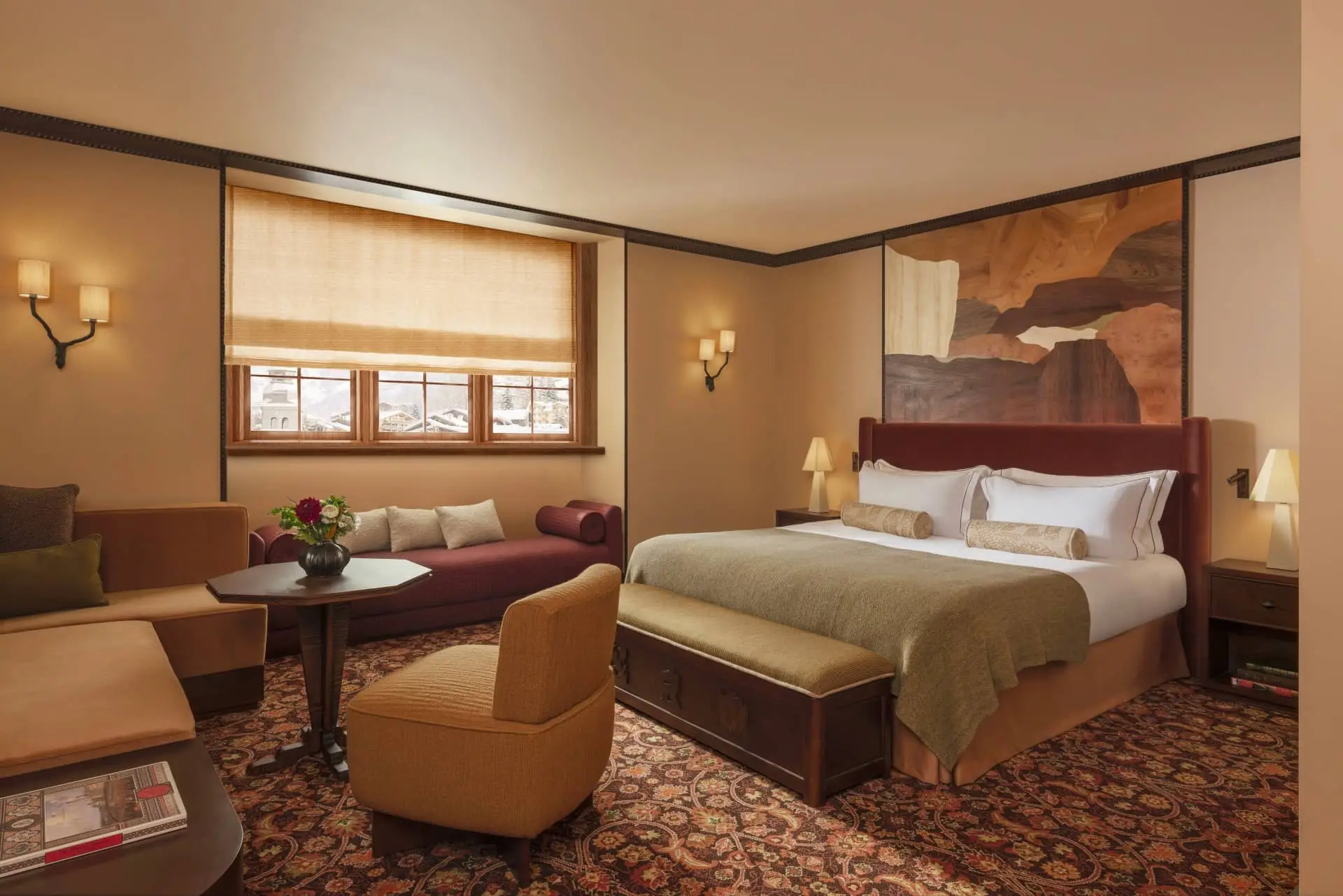
Saint Roch departs from the polished uniformity of a conventional ski hotel, presenting itself as an intimate mountain home. Friedmann & Versace’s interiors reference Slavic dachas, Mongolian landscapes and ancient Persia, layering wood and stone with velvet, agate, marquetry, bronze and collected art.
The top-floor Penthouse is the most private accommodation, while some suites reach 70 square metres and the entire fifth floor can be reserved. A fire-centred living room provides a calm gathering place after skiing, supported by a restaurant and bar.
The spa will contain an indoor pool, hammam-inspired spaces and Tata Harper treatments. A Kids Club broadens its appeal to families, while dogsledding, snowmobiling, mountain meals and helicopter flights offer alternatives to another day on the Trois Vallées pistes.
Rates start at €1,300 per night, including breakfast. For travellers who want Courchevel’s extensive skiing without the scale of a large resort hotel, Saint Roch offers a more secluded base.
Italy extends the mountain calendar
In Courmayeur, beneath Mont Blanc, Grand Hotel Courmayeur Mont Blanc will remain open through autumn and into winter for the second consecutive year. The decision removes the traditional closure between the summer and ski seasons, allowing guests to use the hotel for hiking and other mountain activities before winter arrives.
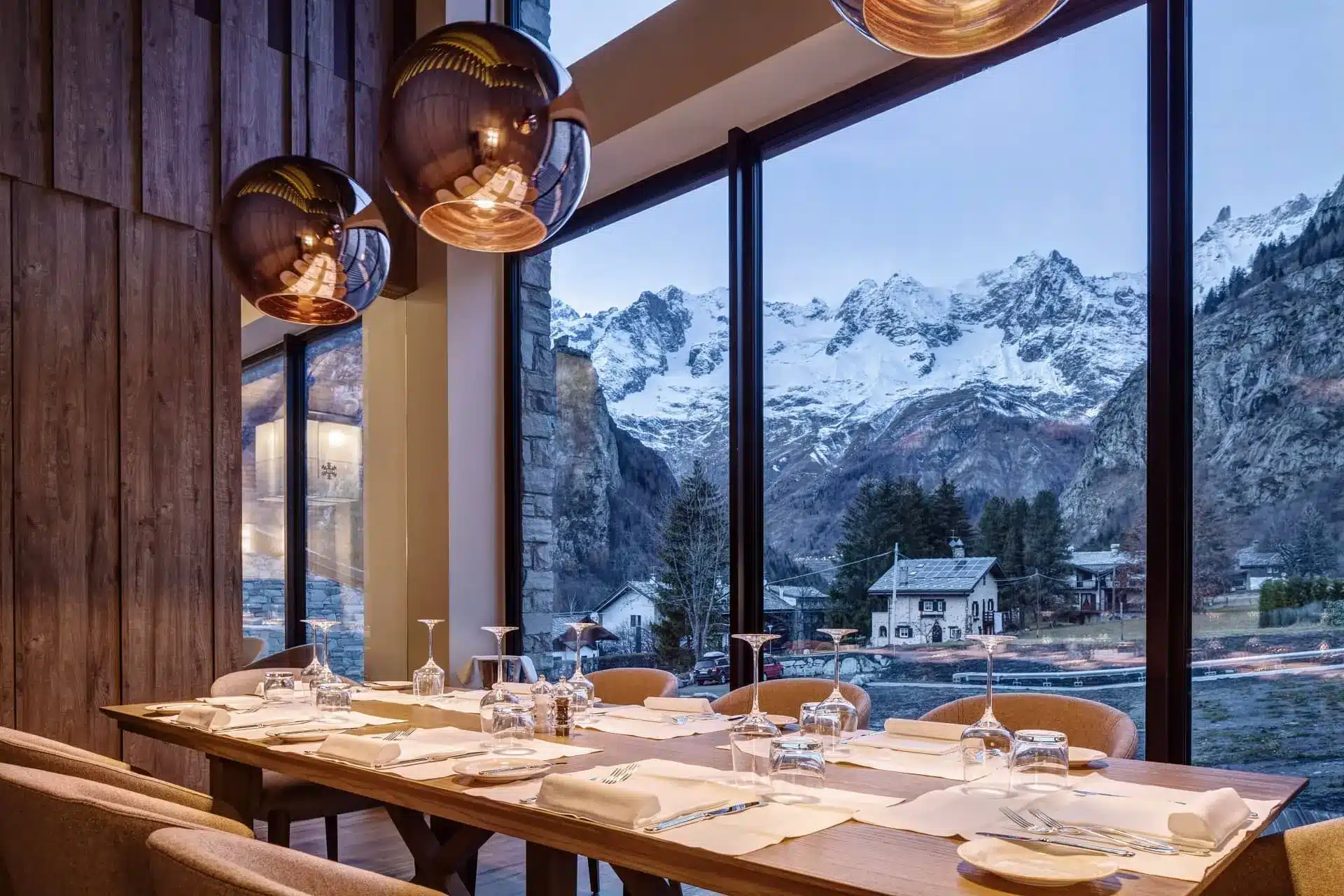
The five-star property has 72 rooms and suites distributed between a central clubhouse and three side chalets. Its 500-square-metre ERRE Spa includes an indoor heated pool, a sauna, a Turkish bath and emotional showers, while La Fourchette restaurant looks across the surrounding mountain landscape. Rates start at €225 per night.
R Collection’s Montana Lodge & Spa in La Thuile takes a similar mixed-interest approach. Skiing and winter sports are paired with ERRE Spa treatments and a restaurant focused on Aosta Valley cooking, with rooms from €203 per night.
Further east in the Dolomites, Casa Cook Madonna reopens on 3 December for its second winter season. Located in central Madonna di Campiglio at approximately 1,550 metres, the adults-only boutique hotel is close to lifts serving around 150km of skiing.
Its 50 rooms combine wood and stone with tactile fabrics and broad mountain views. Away from the pistes, guests can choose snowshoe hikes or glacier trails before returning for yoga, the sauna and spa time. The restaurant’s menu is curated by chef Jacob Jan Boerma using local, seasonal produce alongside wider influences. Nightly rates start at €320.
Leogang offers private and social versions of skiing
In Austria’s Leogang Valley, PRIESTEREGG and mama thresl show how differently one destination can interpret the contemporary ski stay.
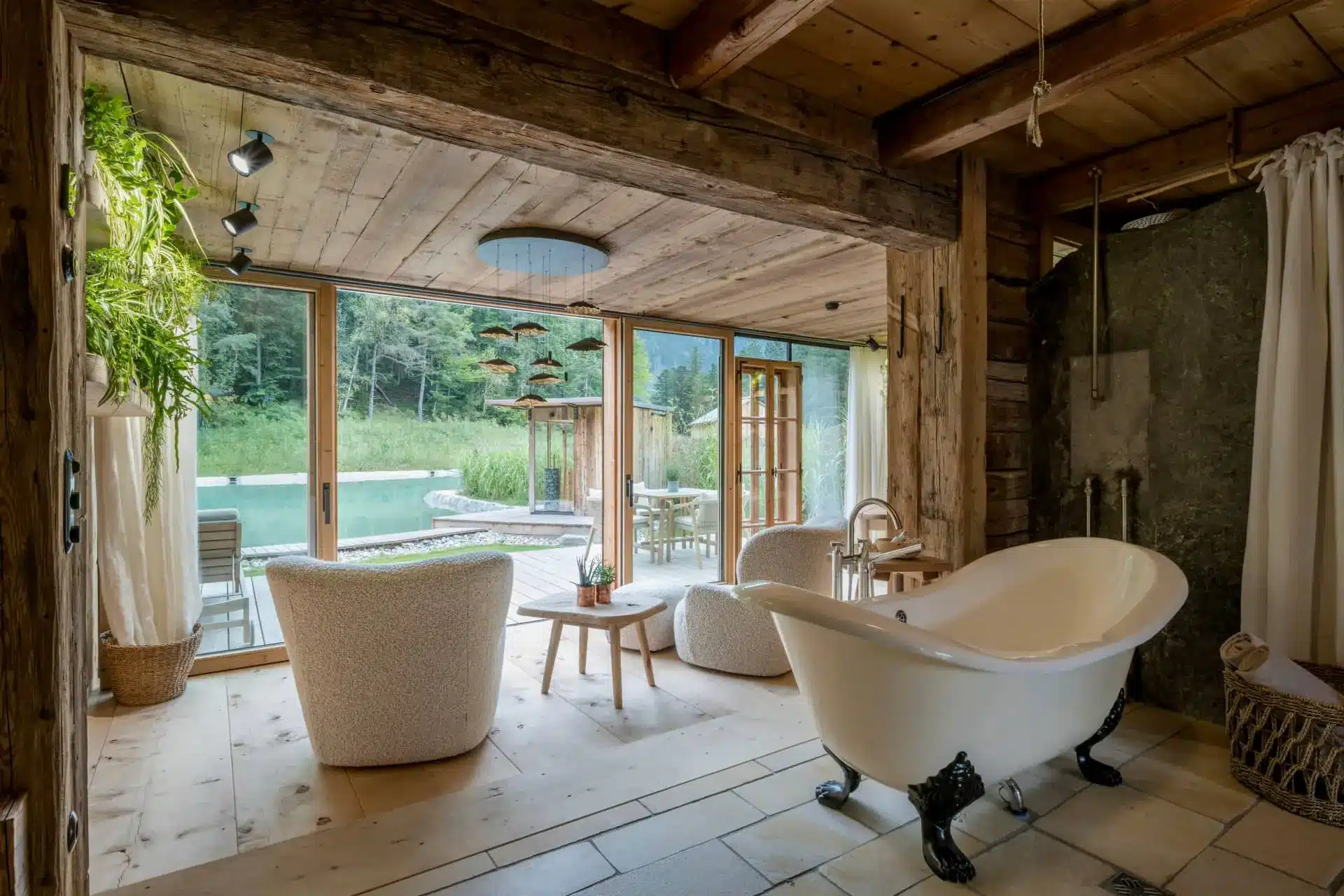
PRIESTEREGG is an eco resort of private chalets positioned on a plateau facing the Leogang Mountains. Its approximately 100-square-metre Premium Chalets accommodate two to five guests, with fireplaces, Finnish saunas, hot tubs and natural-stone showers creating a self-contained retreat. Seasonal regional food is served at Huwi’s Alm, while PRIESTEREGG BAD expands the wellness offering beyond each chalet.
Nearby, mama thresl takes a livelier route. The hotel connects directly to the Saalbach Hinterglemm Leogang Fieberbrunn circuit through the ALPIN CARD, then brings guests together through its restaurant, bar and rooftop relaxation areas.
Its Secret Season programme targets quieter dates in November and early December with test e-bikes and evening Moonlight Swimming at PRIESTEREGG BAD. The offer demonstrates how hotels can make lower-demand weeks attractive without relying on downhill skiing alone.
Swiss residences support four-season stays
The new SWISSPEAK Resorts by Pierre & Vacances partnership adds 338 serviced apartments across Zinal, Vercorin, Thyon and Meiringen. These smaller Swiss destinations provide a locally rooted alternative to the country’s best-known international resorts, with skiing in winter and hiking or mountain biking during warmer months.

Zinal’s 93 apartments sit 300 metres from the slopes and include ski-in/ski-out access, while Vercorin pairs its 89 apartments with a spa and restaurant. Thyon occupies a panoramic position at 1,800 metres within the 4 Vallées, and Meiringen places 79 apartments across six buildings opposite the Sherlock Holmes Museum.
Grégory Sion, chief executive of Pierre & Vacances, said the partnership reflects an ambition to offer “the best of the mountains, all year round”. Rates in the winter announcement begin at €869 for Zinal and Thyon, €973 for Vercorin and €989 for Meiringen.
Family resorts add easier access and more activities
Schlosshotel Fiss, a five-star family hotel in the Austrian Tyrol, is introducing a new slope entrance and two ski-in/ski-out lifts for winter 2026/27. The additions will connect guests directly with the Serfaus-Fiss-Ladis area’s 214km of pistes.

The hotel is also redesigning its sports shop, rental facilities and ski depot, with ventilated storage for equipment. A direct connection between the sports shop and spa reception should make it easier for families to divide their time between the slopes and the hotel’s 5,000-square-metre wellness area.
Beyond downhill skiing, the region offers tobogganing, snowshoeing, winter hiking and paragliding. Children’s facilities and youth spaces make the hotel practical for groups whose interests and abilities vary. Double rooms start at €746 for winter 2026/27.
Niseko combines new hotel space with faster lifts
Outside Europe, Niseko Village in Japan is following a comparable path by investing in accommodation and the journey up the mountain. Moxy Niseko Village brings 310 ski-in/ski-out rooms to the base, beside the existing Niseko Village Gondola.
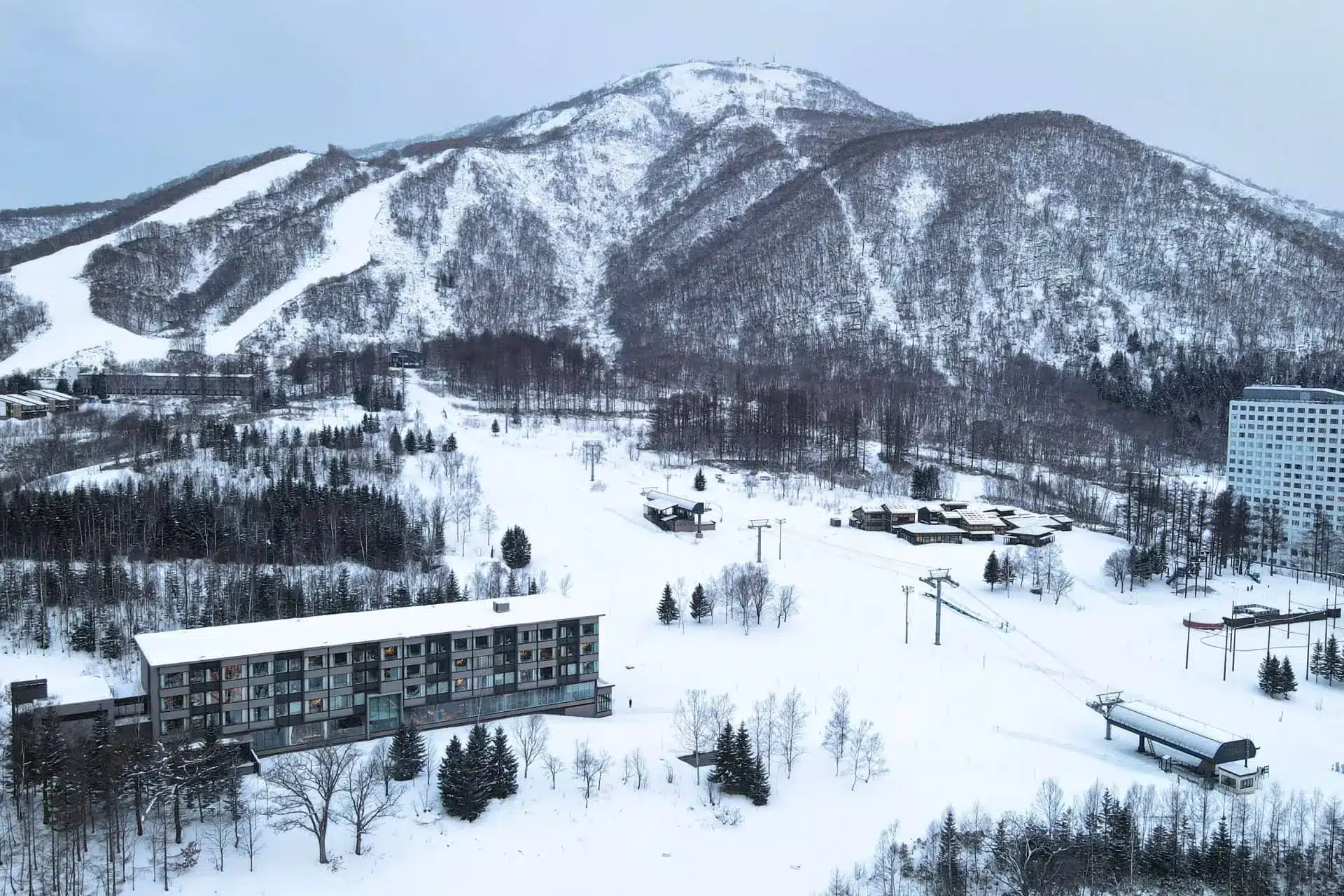
Japanese craft-inspired interiors meet Moxy’s informal social style, with dining spaces, a 24-hour fitness centre and an outdoor foot onsen for post-ski recovery. The new Mori-no Gondola will double transport capacity across 86 cabins, including four VIP cabins with tables for light meals and two glass-floor cabins.
Across these resorts, winter 2026/27 is being planned around more than the number of skiable days. For travellers, the practical choice is a property and destination that can deliver a rewarding mountain holiday whatever happens beyond the boot-room door.