Birdwatching is attracting a younger audience, with identification apps and online communities making an established pastime easier to discover. The hobby also provides extended time outdoors, watching and listening without needing to keep scrolling.
RSPB research based on responses from more than 24,000 people found that birdwatching was the second-fastest-growing Gen Z hobby after jewellery making. The estimated number of British birdwatchers aged 16 to 29 rose from 61,000 in 2018 to 724,000 in 2026, while participation across all age groups increased by 47%.
The online figures support that shift. UK TikTok posts using #birdwatching and #birdtok increased by one-third in the three months before 15 August 2026, while #birding posts rose by 40%, according to The Guardian. Globally, the three hashtags had appeared on one million posts.
Technology has lowered the barrier to entry. Merlin can identify birds through their calls, while creators show followers how to recognise familiar species without expensive equipment or specialist knowledge. Jack Baddams, a bird enthusiast and British Trust for Ornithology bird ringer with 300,000 followers, told The Guardian: “It’s a craving for something ‘real’ and birding is a really nice gateway to that.”
Luxury travel companies are responding with experiences built around private guides, seasonal migrations and access to protected habitats. These eight trips range from gentle wetland walks to fast Zodiac safaris, with accommodation that makes remote birdlife more comfortable to reach.
1. Islas Secas, Panama
Located around 20 miles off Panama’s Pacific coast, Islas Secas is a private 14-island reserve where tropical forest and mangroves meet the Gulf of Chiriquí. Its protected environment supports 124 recorded bird species alongside 128 plant species and 750 fish species.
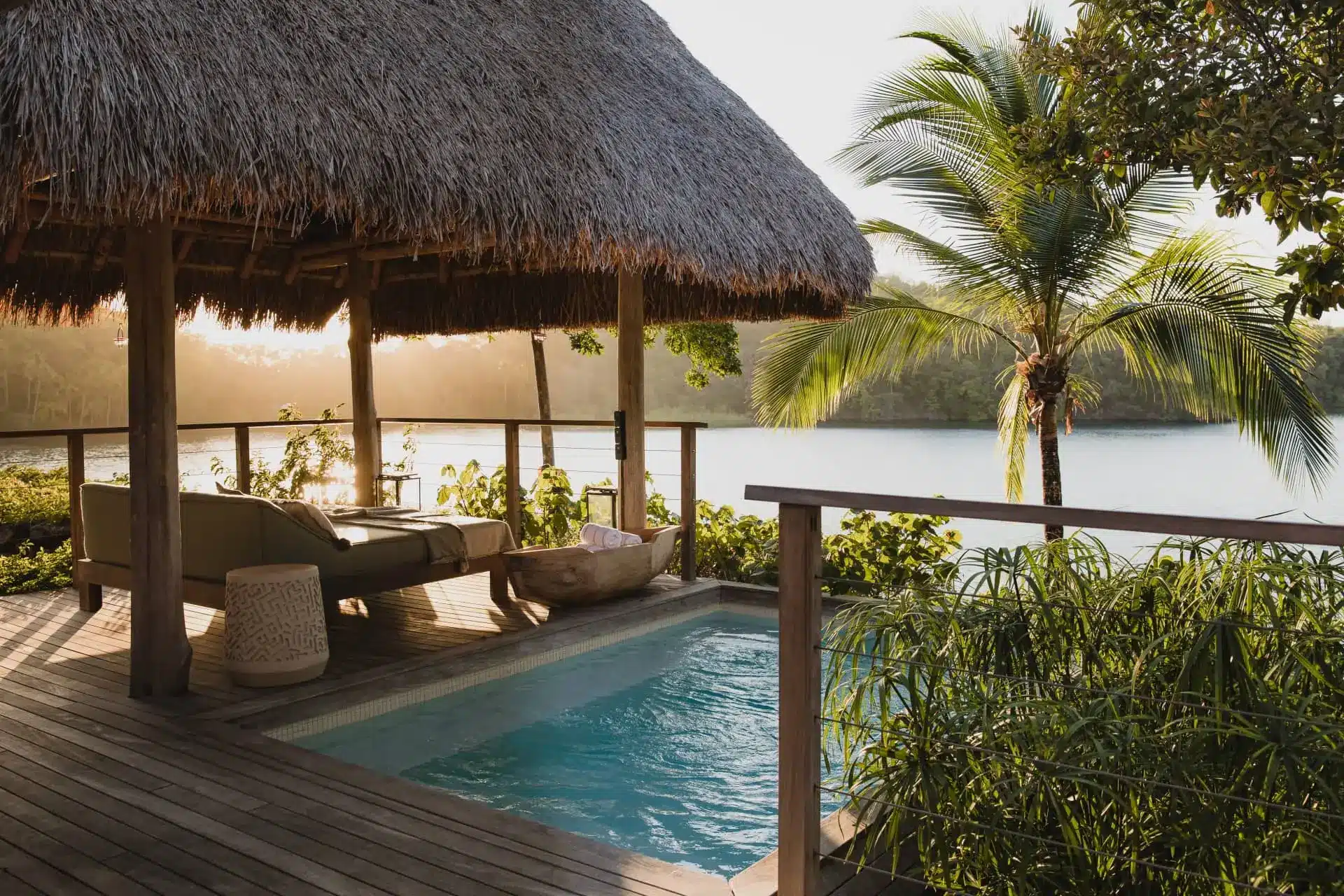
Naturalists lead birding walks along island trails and through gardens, with further excursions by boat to offshore islands or Coiba National Park. Frigatebirds and blue-footed boobies can be seen around the coast, while possible forest sightings include scarlet macaws, king vultures, three-wattled bellbirds and mangrove yellow warblers.
Guests can also take part in citizen-science work, including an annual count of nesting magnificent frigatebirds. Migration is strongest around March and April, then from September into November, although the resort’s 2026 closure runs from 28 September to 17 November.
Only 14 villas are spread across the islands. All energy is generated by solar power, wastewater is reused for irrigation and food waste is composted. Rates start at $3,500 per night, excluding taxes, with meals, drinks, selected activities and one spa treatment for each adult included.
2. TITILAKA, Lake Titicaca, Peru
Set beside Lake Titicaca at approximately 4,000 metres, TITILAKA is a secluded Andean lodge with direct access to protected high-altitude wetlands. The nearby habitat supports 103 resident and migratory bird species, including birds found only in this region.

Specialist guides take guests out in the early morning, when birds leave to feed, or during the quieter late afternoon return to their roosts. The experience covers visual identification and birdsong, including how to mimic local calls. Flamingos and great crested grebes may be among the sightings, depending on the season.
Birding can be combined with rowing through totora reeds, where goldcrests, flightless grebes, moorhens and herons use the sheltered habitat. Cultural excursions reach the Uros floating islands, Taquile Island, archaeological sites and lakeside communities, placing the wetland wildlife within the wider Titicaca region.
3. PUQIO, Colca Valley, Peru
Three hours from Arequipa, PUQIO is a tented camp in the Colca Valley surrounded by cliffs, pre-Inca terraces and Andean condor habitat. Its Condors & Geyser of Pinchollo excursion begins at Cruz del Cóndor, one of the best-known viewpoints for watching the birds ride the canyon’s rising air currents.
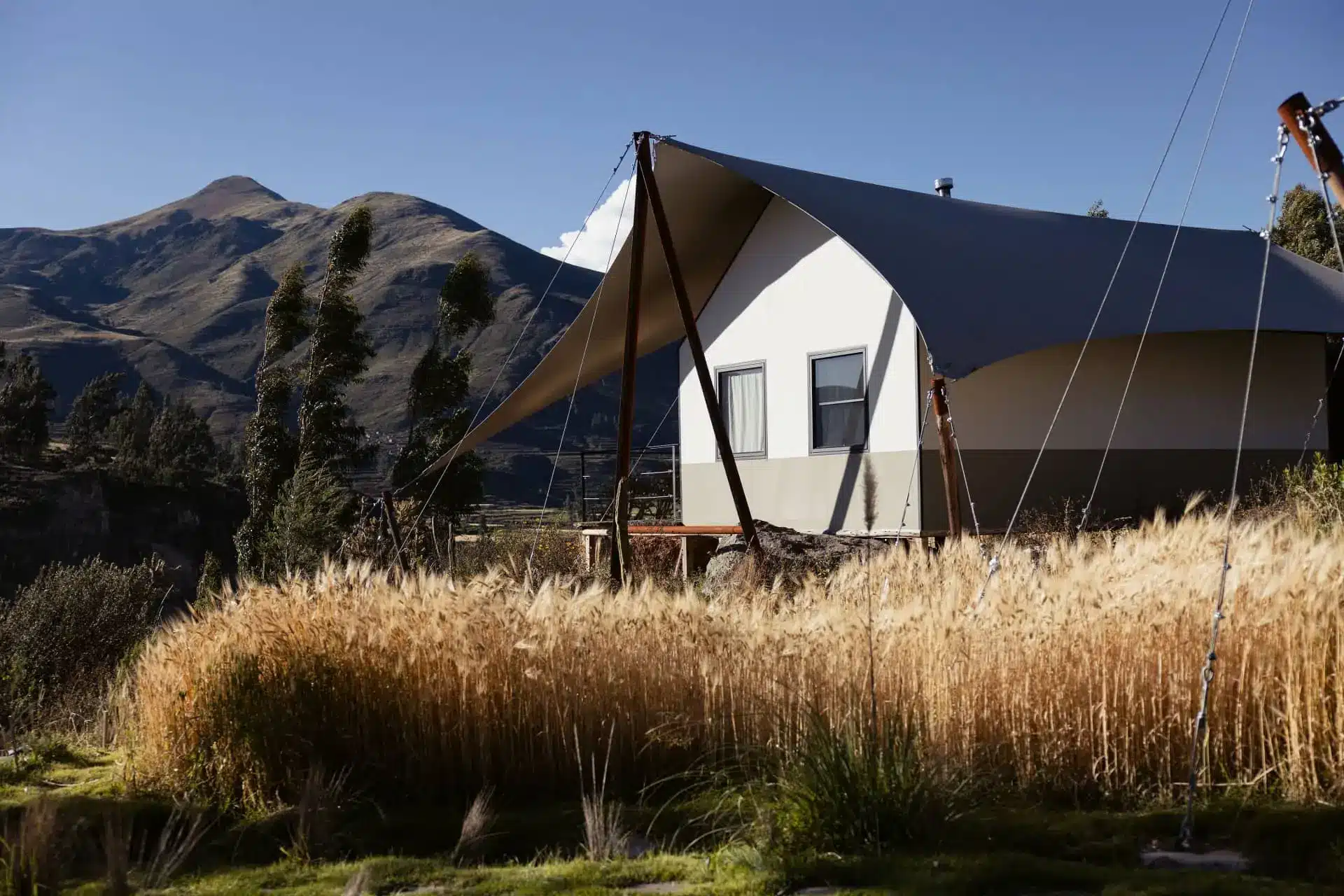
The route continues through Maca and Pinchollo, passing colonial buildings and cultivated terraces before reaching the Pinchollo geyser. The route ends at the Pinchollo geyser, where steam and water rise from volcanic ground.
PUQIO suits travellers who want birdwatching connected to walking and the cultural geography of southern Peru, rather than a dedicated checklist-led trip. Accommodation is inspired by expedition camps, but offers a refined base for exploring the canyon.
4. WildLand, Scottish Highlands
Across the Cairngorms, Loch Ness and Sutherland, WildLand combines restored Highland properties with a long-term conservation programme. Its portfolio covers 220,000 acres across 13 estates, making the scale of the habitat central to each stay.
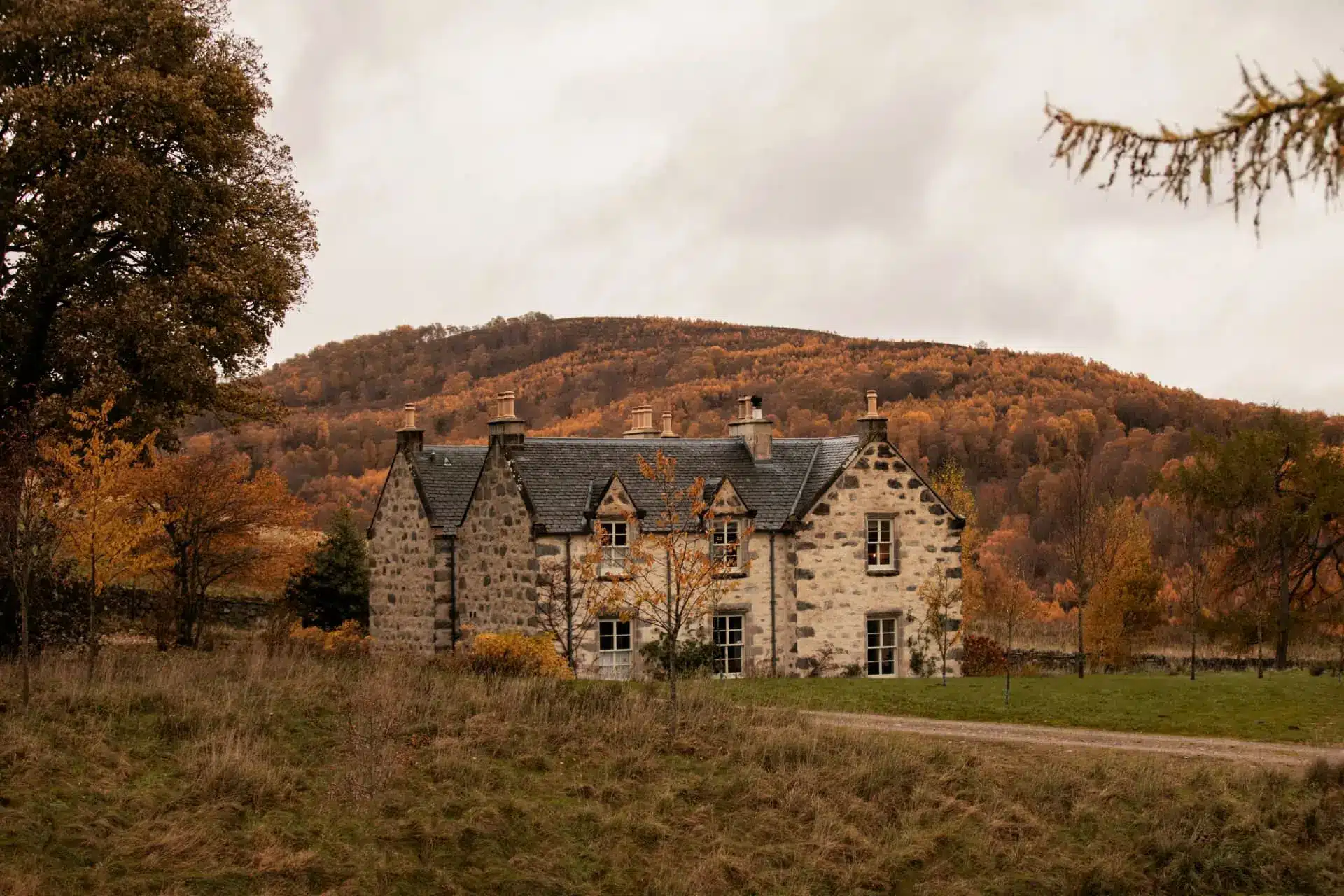
WildLand Cairngorms has five breeding pairs of golden eagles. The conservation team monitors the birds and fits GSM tags to chicks, allowing their development and movements to be followed. Adult golden eagles can have wingspans of up to 2.3 metres and may reach speeds of 150mph when diving for prey.
Hen harriers are another focus of the habitat restoration programme. On Sutherland’s northern coast, short-eared owls can sometimes be watched hunting over open moorland during daylight. Regeneration work is creating denser vegetation for ground nests while improving habitat for the small mammals they hunt.
Accommodation ranges from restored cottages and farmsteads to Kinloch Lodge and Aldourie Castle. The experience is best for birders interested in the relationship between species recovery, land management and patient observation.
5. Miavana by Time + Tide, Madagascar
Set on a private island off northern Madagascar, Miavana by Time + Tide provides boat access to the sooty-tern colony on nearby Nosy Manampaho. Trips generally operate during the windy season, with the colony gathering from around May to October.
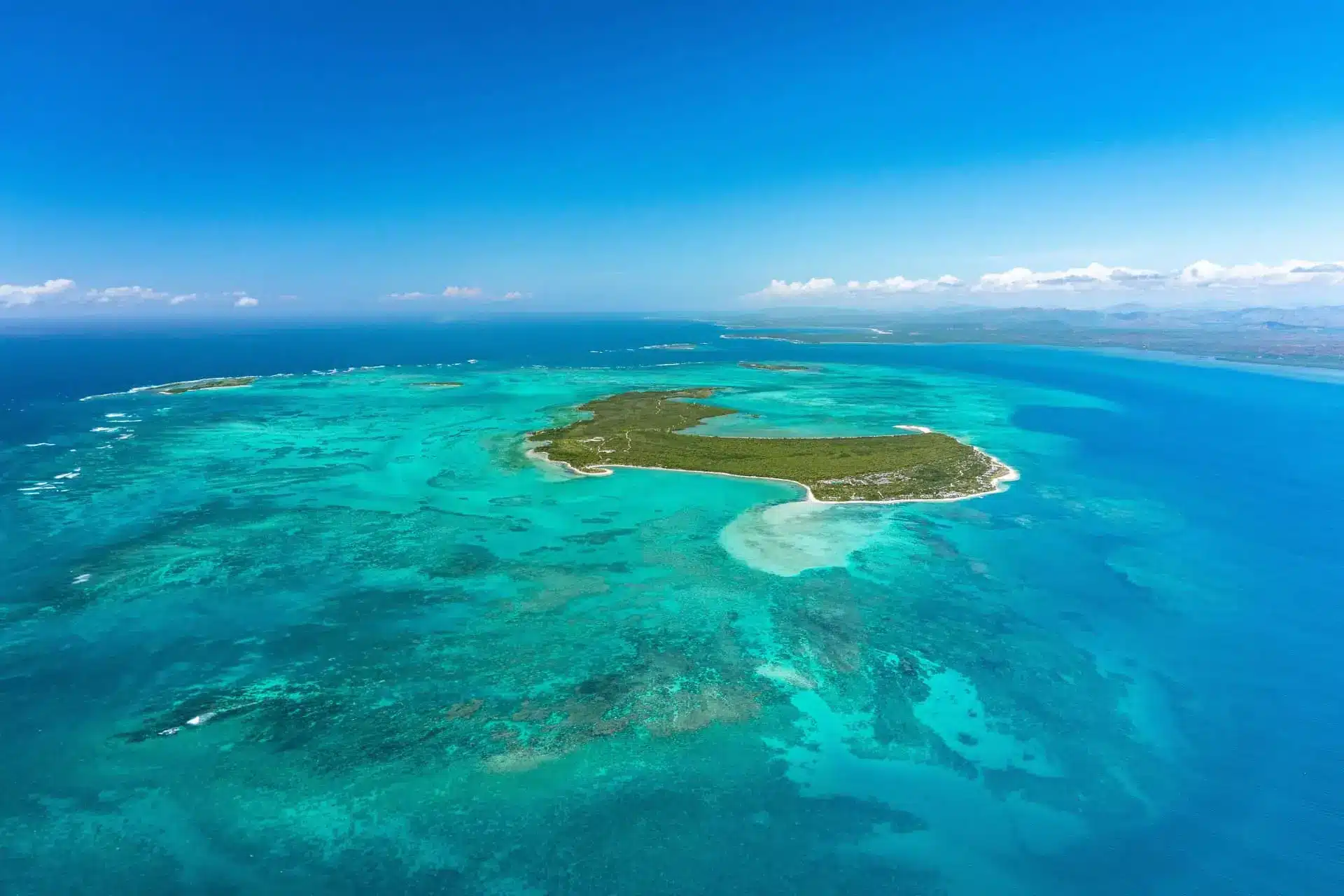
A 2021 survey recorded 62,500 breeding pairs, equivalent to 125,000 individual sooty terns. The count was almost three times the estimated 2008 population. Seven species were documented during the survey, while a white-tailed tropicbird was recorded there for the first time.
Sooty terns do not have the feather oils that allow many seabirds to sit safely on water. Miavana says they can consequently remain airborne for several years, sleeping in intervals of only a few seconds while in flight.
Guides discuss nesting behaviour and conservation during the half-day visit, which can include a castaway picnic. The Time + Tide Foundation also supports monitoring, community education and island clean-ups. Full-board rates start at $3,700 per adult per night, with conservation, foundation and access fees of $300 per person per night charged separately.
6. Ballyfin, County Laois, Ireland
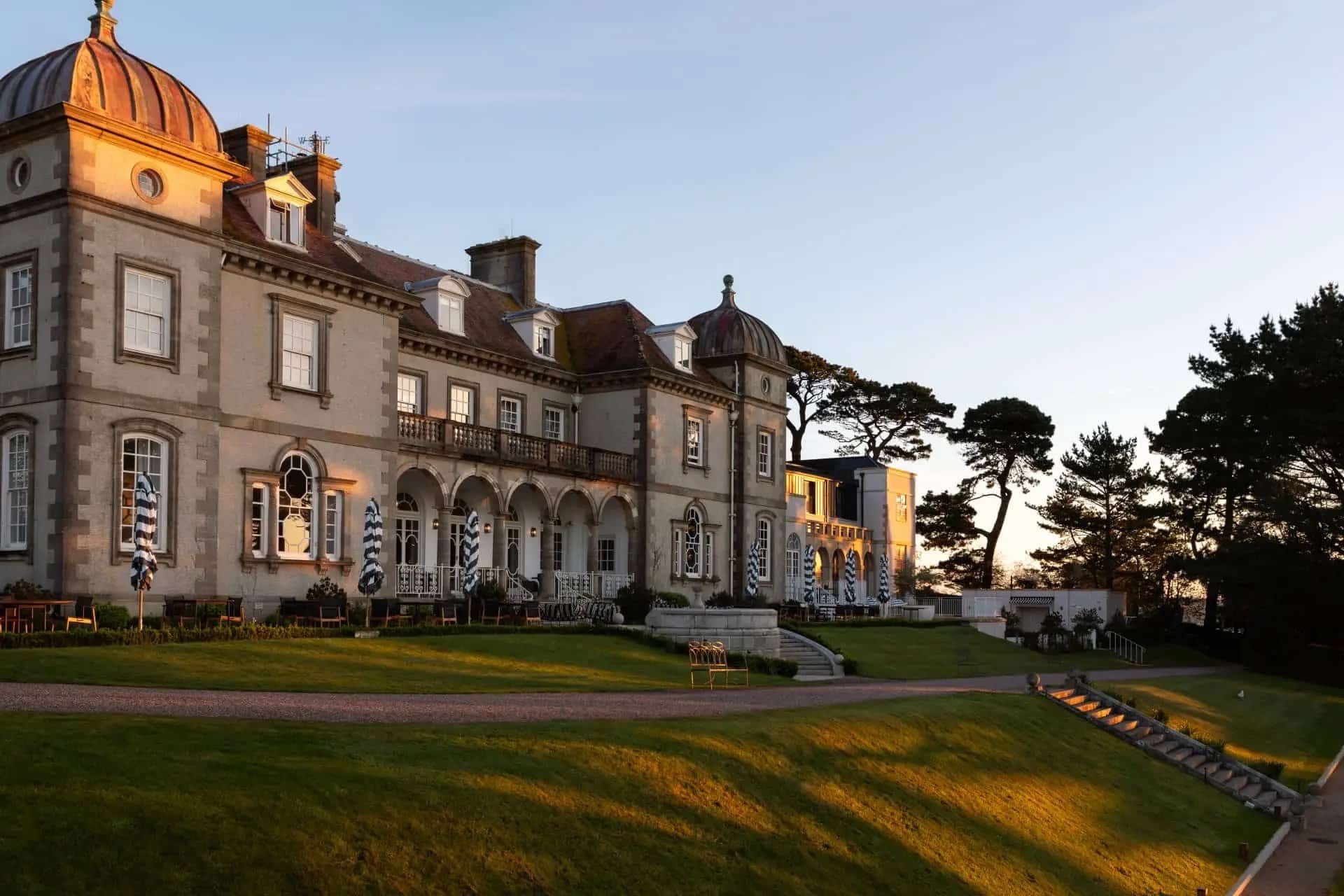
At the foot of the Slieve Bloom Mountains, Ballyfin is a restored Regency country-house hotel set within 614 acres of lakes, formal gardens and parkland. Its grounds offer relaxed birding without the long transfers or difficult terrain associated with more remote wildlife trips.

Butlers can provide binoculars and field guides before guests set out to look for peregrine falcons, ospreys, buzzards, jays and pheasants. The mixture of mature trees, open water and estate grassland allows several habitats to be explored during one walk.
A separate private falconry experience provides a close encounter with trained Harris hawks, peregrines and eagle owls. This is a managed demonstration rather than conventional wild birdwatching, with the falconer showing how the birds respond and fly. Sessions must be reserved in advance and start at €560 for two guests. Deluxe Room rates range from €870 to €1,350 for two, depending on the season.
7. Runde Island with 62°NORD, Norway
Departing from Ålesund on Norway’s north-west coast, a 62°NORD sea safari uses a Zodiac boat to reach the seabird habitat around Runde Island. Thermal suits, goggles and safety equipment are supplied for the fast journey through the Sunnmøre seascape.
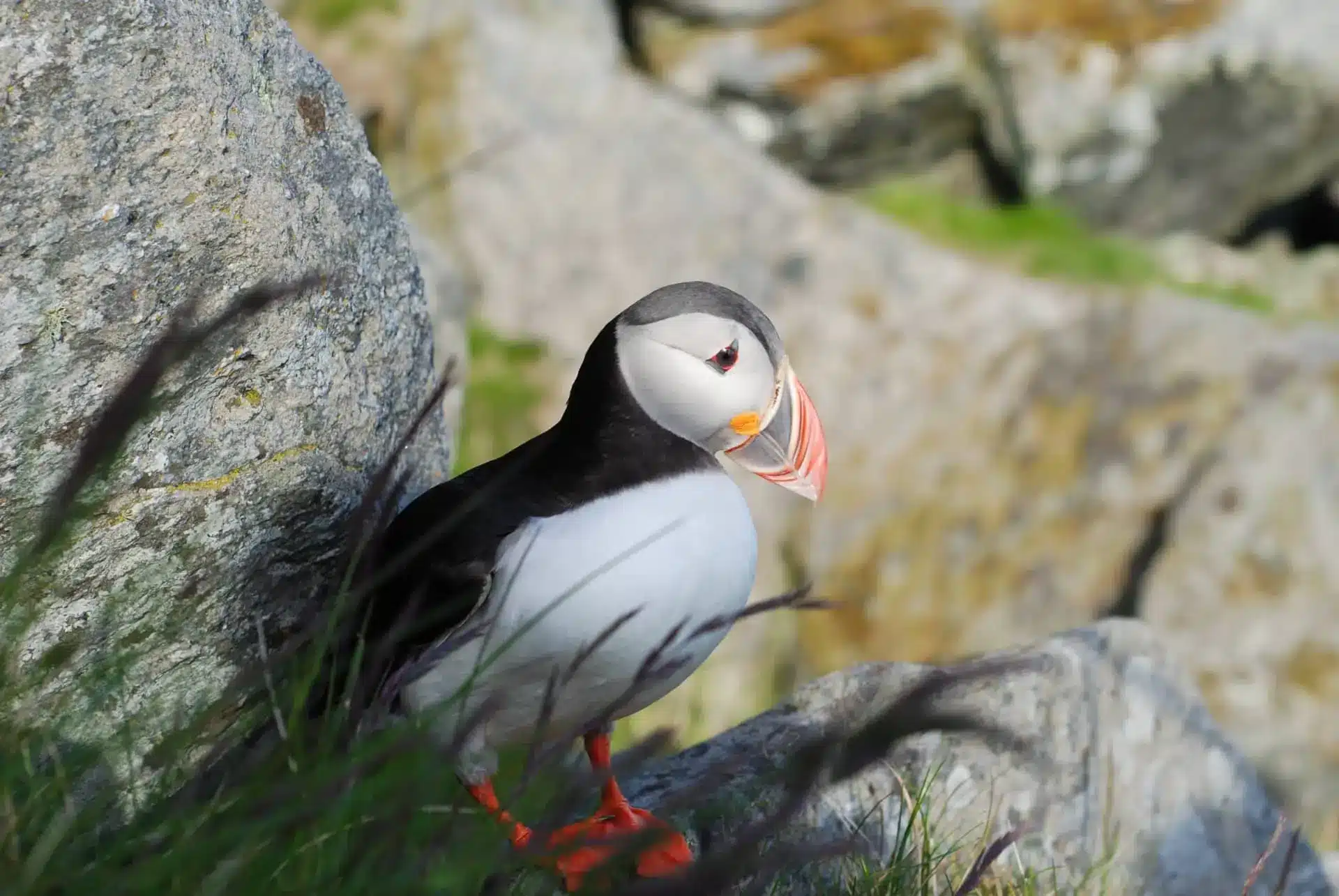
The route passes Alnes Lighthouse and the seal colony at Grasøyane before continuing to Runde Bird Sanctuary. More than 500,000 birds are present around Runde between February and August, with Atlantic puffins, gannets, razorbills and common murres nesting along the cliffs. More than 100,000 pairs of puffins generally arrive in April and leave around the end of July.
A local captain discusses the islands and wildlife during the trip, while white-tailed eagles may pass over the boat. Sea conditions can affect the route, making flexibility essential. 62°NORD creates tailor-made itineraries using its family-owned collection of hotels, boats and lodges.
8. Awasi, South America
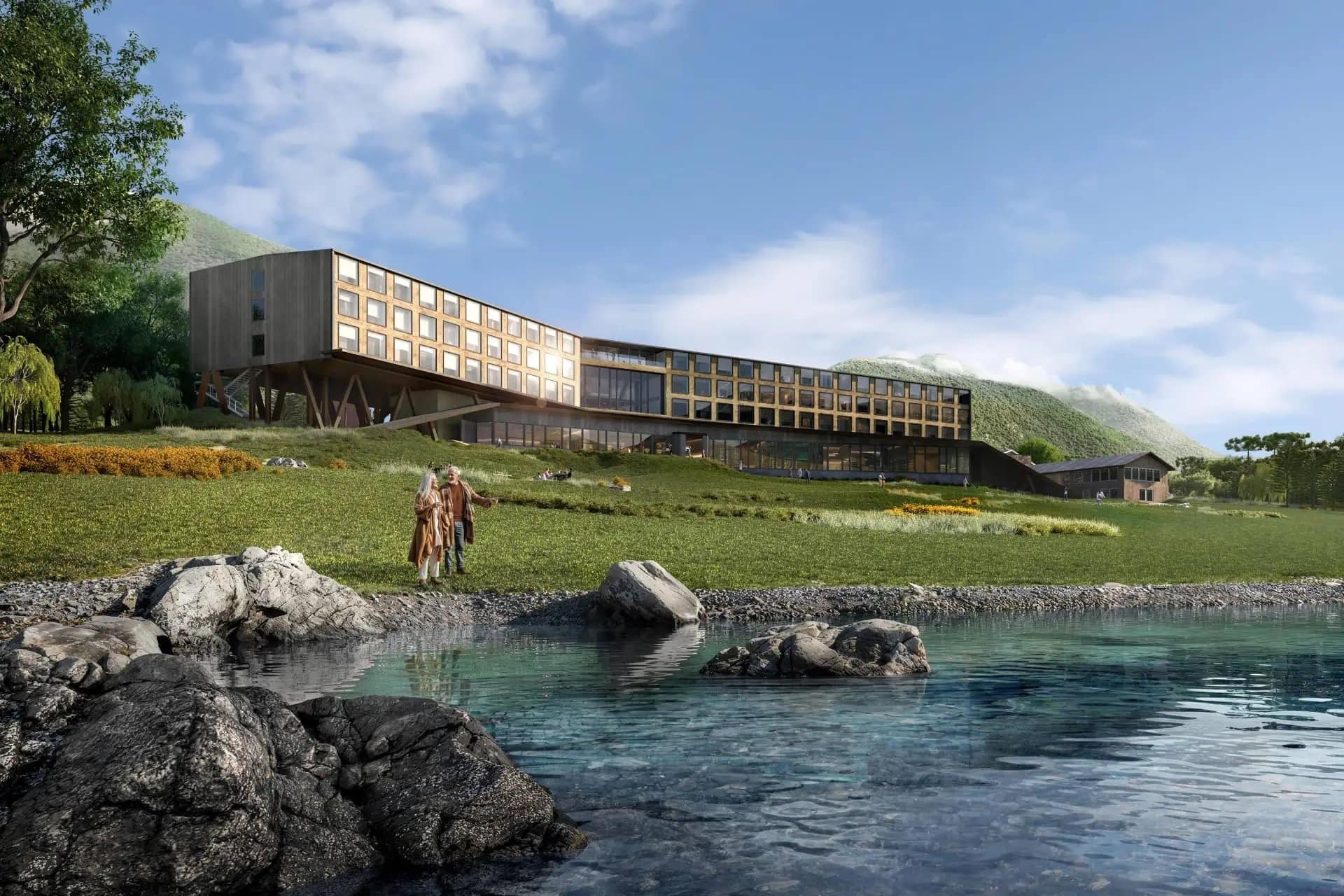
Awasi offers private-guide birding from lodges in several South American regions, covering three distinct ecosystems. Iguazú opens onto the Atlantic rainforest, Atacama provides high-desert species in northern Chile and Patagonia brings raptors into view above the steppe.
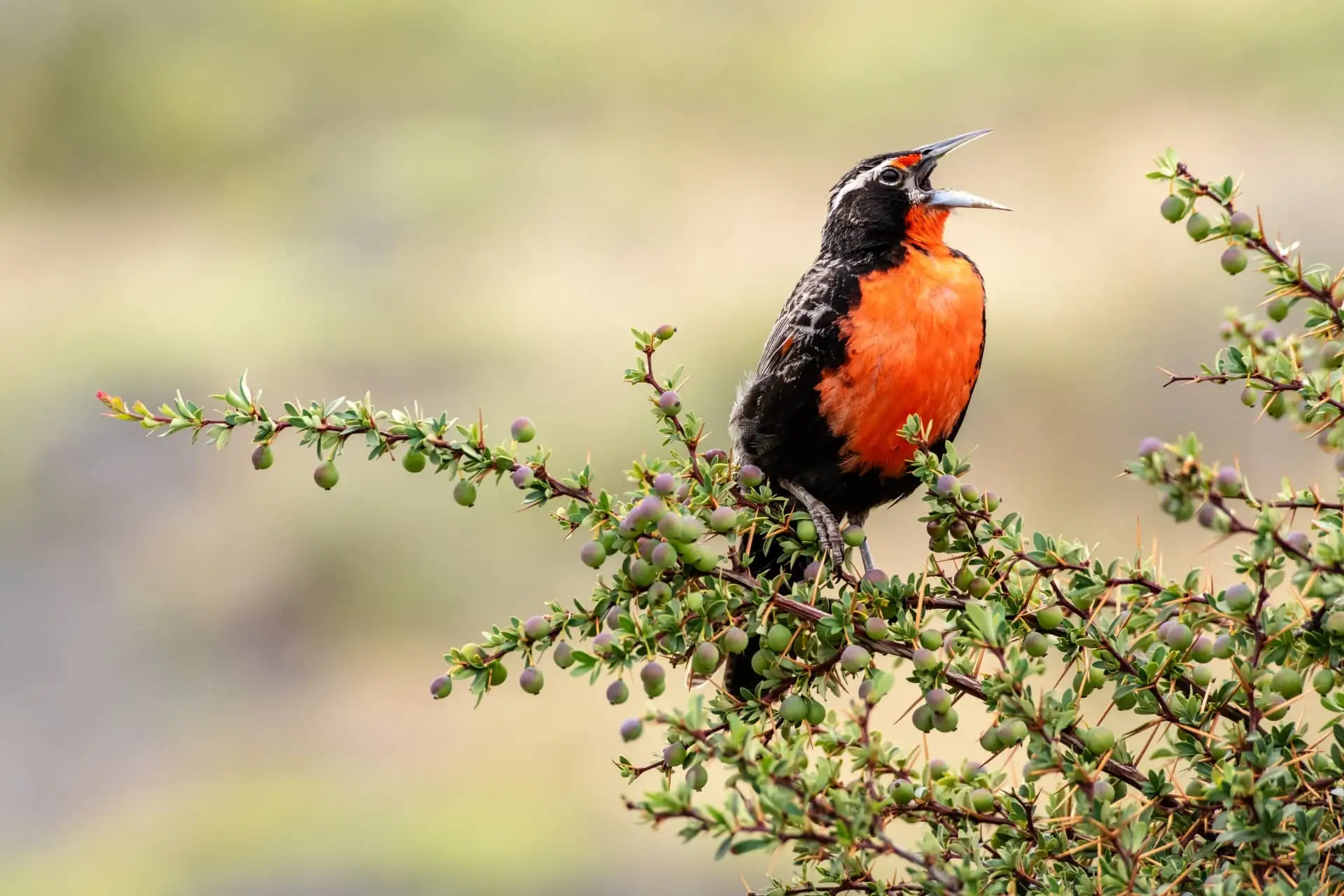
A private guide and 4×4 vehicle are assigned to every room, allowing departure times and routes to change around weather, light or recent sightings. Guests can spend longer with one species, leave before dawn or revise the day without negotiating a group itinerary.
The model works for both new birders and experienced travellers pursuing specific sightings. Accommodation, local cuisine and private excursions are included, while stays at two or more Awasi lodges can connect contrasting habitats within one journey.