Hotel Lucile’s former chapel now has a grand central bar beneath its arches, with stained-glass windows and soaring ceilings framing a restaurant that brings together Southern France and the American South. It’s a rather lovely starting point for a Los Angeles escape: dinner in a historic sanctuary, followed by a retreat to one of just 25 rooms.
Casetta announced the opening of the Silver Lake hotel on September 14, 2026. The group behind The Surfrider in Malibu and Casa Cody in Palm Springs has turned a 1931 church into a boutique stay with interiors by Electric Bowery, an evolving art collection and a courtyard pool.
The design draws on Silver Lake, with artwork inspired by nearby landscapes and stained-glass pieces made by an LA artist. The building’s earlier lives remain visible, too, particularly in the chapel and the wood-lined Choir Loft.
A church with several chapters
Architect Scott Quintin originally designed the building as Bethany Presbyterian Church. It subsequently served successive congregations, provided an early rehearsal and workshop home for Asian American theatre company East West Players, and later became a neighbourhood antique market. Its stained glass and soaring sanctuary endured through those changes.
Restaurateur Dana Hollister pursued the project before Casetta took over in 2020; city approval had come in 2014, following neighbourhood objections that included noise and traffic concerns.
Jin Chang, the longtime owner of nearby Big Mac’s Liquor, recalled that opposition. “When they tried to get a permit for the hotel, we all went to speak against it. But they got the permit,” he told the Los Angeles Times. The paper reported that Chang was neutral about the hotel by its debut, while other residents expressed support.
Electric Bowery’s design keeps the original arches, stained glass and chapel at the centre of the experience. Custom furniture in mossy greens and velvet jewel tones sits alongside collected antiques and contemporary artwork, giving the interiors a residential feel within the church’s much larger proportions.
Twenty-five-foot curtains help the chapel shift between intimate and expansive settings, with custom banquettes around the dining space. The original stage can become a private dining area, while the central bar makes full use of those oversized arches. This is the room I’d build an evening around.
Twenty-five rooms, with character intact
Hotel Lucile’s rooms sit around an interior courtyard, ranging from intimate Petit and Signature Kings to Loft layouts and the 536-square-foot Lucile Suite.
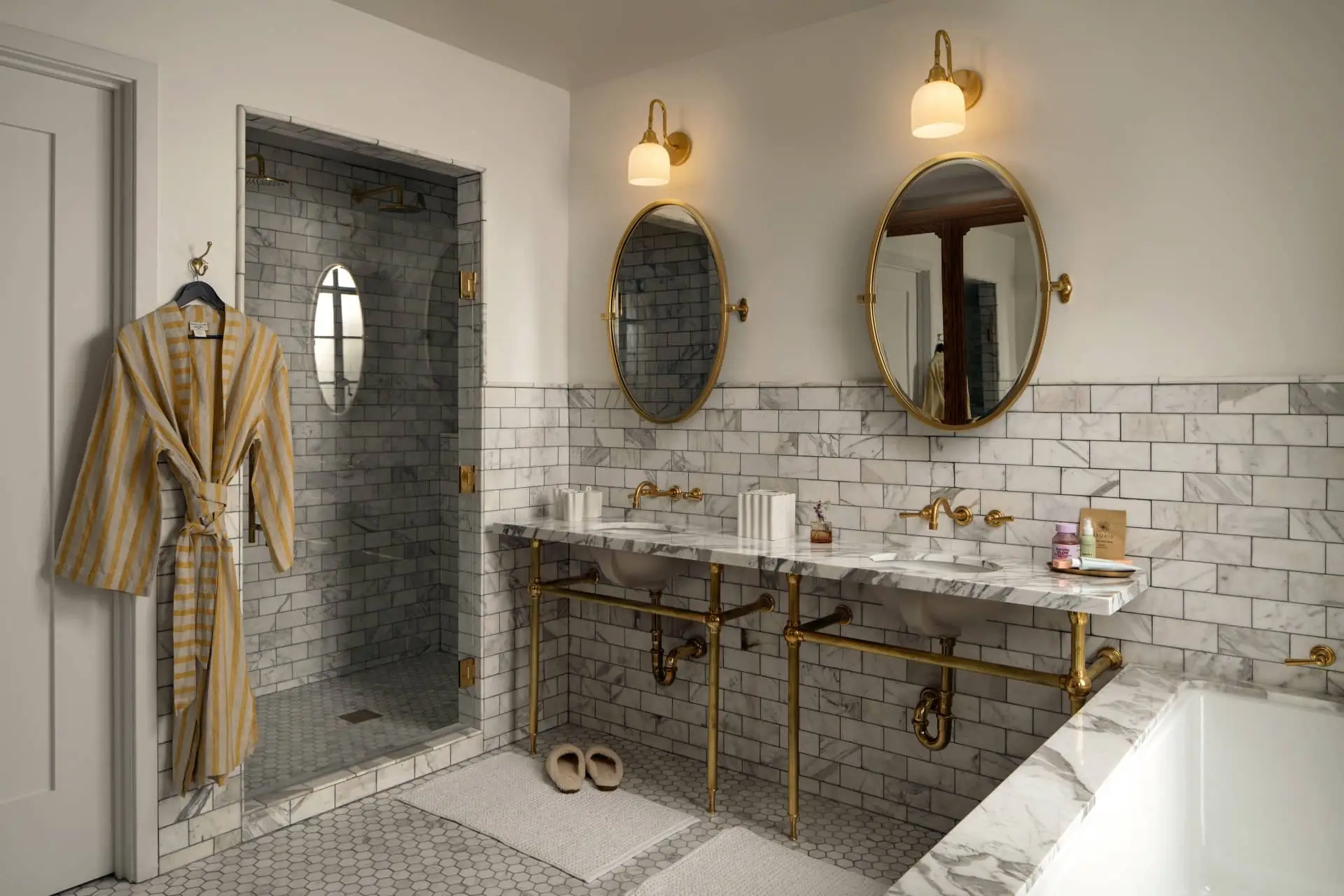
Vintage furnishings accompany the original wood flooring and steel-framed windows, alongside handcrafted fixtures and original art. Parachute linens and Aesop bath amenities provide the familiar comforts, while stained-glass bathroom windows bring the building’s history into the more private parts of the hotel.
Select rooms have high ceilings, private outdoor courtyards or sweeping city views, so it’s worth paying attention to the individual category when booking. A courtyard would be my first consideration for a slower-paced stay; the Lucile Suite offers the largest layout listed in the announcement.
An Erewhon-curated minibar adds a distinctly local touch. Brass “Solitude” do-not-disturb tags, inspired by the church’s original hardware, are a more unusual detail, alongside custom incense holders and individual ceramics by Tish Cyrus-Purcell.
A little pool, a rooftop and a martini cart
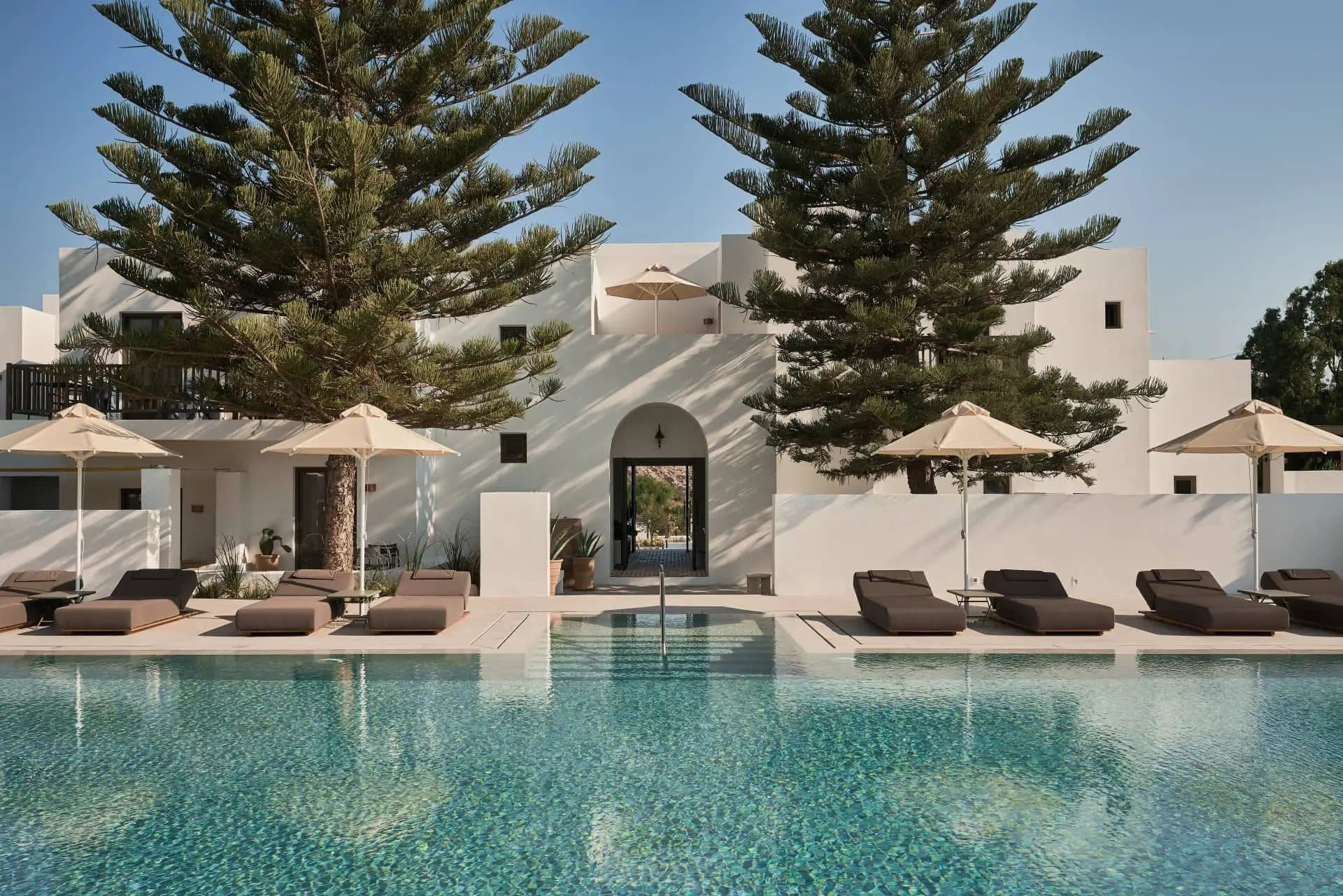
The courtyard centres on a small cocktail pool framed by Business & Pleasure Co. cabanas.
The guest-only Rooftop Deck offers sweeping Los Angeles views and another reason to leave some unscheduled time in the itinerary.
The mezzanine-level Choir Loft overlooks Sous Sous, and its windows retain their original stained glass. Now a wood-lined lounge for reading, working and gathering, it retains the vintage character of its earlier use. A roving martini cart makes its evening rounds, offering guests a choice of gin or vodka from Anytime Farmhouse.
The Choir Loft can also accommodate artist talks and salon dinners. For private gatherings, the hotel has an Organ Loft overlooking the former sanctuary and a separate Chapter Meeting Room.
Sous Sous: two Southern influences, one chapel
Sous Sous gives the hotel a dining identity beyond its architecture. Developed with the team behind LA’s market-driven pizza restaurant De La Nonna, it is led by executive chef Patrick Costa and operations and beverage director Lee Zaremba. The name plays on the French word sous, meaning “under” or “below”, and the menu’s two Southern influences.
Costa connects the coastal cooking of Southern France with the American South, using French technique, seasonal seafood and market produce. Citrus, herbs, spice and smoke run through the menu. “Having that light spirit with lemon, herbs, olive oil really helps in a coastal region,” he told Eater LA.
Oysters arrive with Espelette and a seasonal farmers’ market mignonette, while hamachi crudo comes with Virginia peanuts and chilli. A polenta-crusted blackened rainbow trout uses white wine and chilli-inflected oils; brick chicken is served with jus, frisée and lemon.
The bouillabaisse for two is the dish to plan a shared dinner around: clams, mussels, shrimp and seasonal fish in saffron broth with peppers and spices, accompanied by toasted bread and aioli.
Zaremba’s drinks draw on New Orleans cocktail culture. A Sazerac combines an absinthe rinse with toasted coconut, while a tequila-based Espresso Martini includes chicory and an absinthe mist. The wine list spans established Old World producers and natural winemakers, alongside local beers and non-alcoholic options. Oysters, a cocktail and that chapel setting make an appealing evening even without an overnight stay.
Art you can take home
Rhett Baruch Gallery and Uprise Art have developed the hotel’s evolving art programme, with rotating installations and selected pieces available to buy. Two hand-painted, textural murals by Erin Lynn Welsh crown the chapel: Eaton looks towards Altadena and the San Gabriel Mountains, while Elysian draws on Elysian Park’s gardens and native plantings.
A work by Shaskia Cuaspa appears at the hostess stand, and the original stage is anchored by pieces from Thai Mainhard, Harlan Hue and Thomas Linder. Marleigh Culver’s custom elevator mural takes the surrounding Silver Lake neighbourhood as its subject.
LA-based artist Janel Foo’s stained-glass coasters echo the church windows and appear in both Sous Sous and the guest rooms; they’re available to purchase at the front desk. Casetta also plans artist talks, literary gatherings and live music, alongside wellness programming with Usal Project that includes neighbourhood runs and field guides.
Booking Hotel Lucile
Hotel Lucile is at 1629 Griffith Park Boulevard, near the corner of Lucile Avenue, and guests can book a room directly through the hotel.
The Los Angeles Times’ September 10 pre-opening rate check found rooms starting at $441 a night, plus a $50 amenity fee. Treat that as an opening-price reference when comparing current dates and categories. The paper also reported no on-site parking, with valet and street parking planned for hotel guests and restaurant diners, a useful detail if you’re bringing a car.
Sous Sous’s opening dinner hours were 5pm to 9pm Sunday through Thursday, extending to 10pm on Friday and Saturday. Restaurant reservations are available through Resy; check the current service times when choosing your table.