Grotta Giusti Thermal Spa Resort in Tuscany has won the World’s Best Thermal Grotto Spa category at the 2026 World Spa Awards.
The five-star resort in Monsummano Terme received the title for a tenth consecutive year, according to an announcement from owner Italian Hospitality Collection on 23 September. The World Spa Awards’ 2026 winners list confirms Grotta Giusti as this year’s category winner.
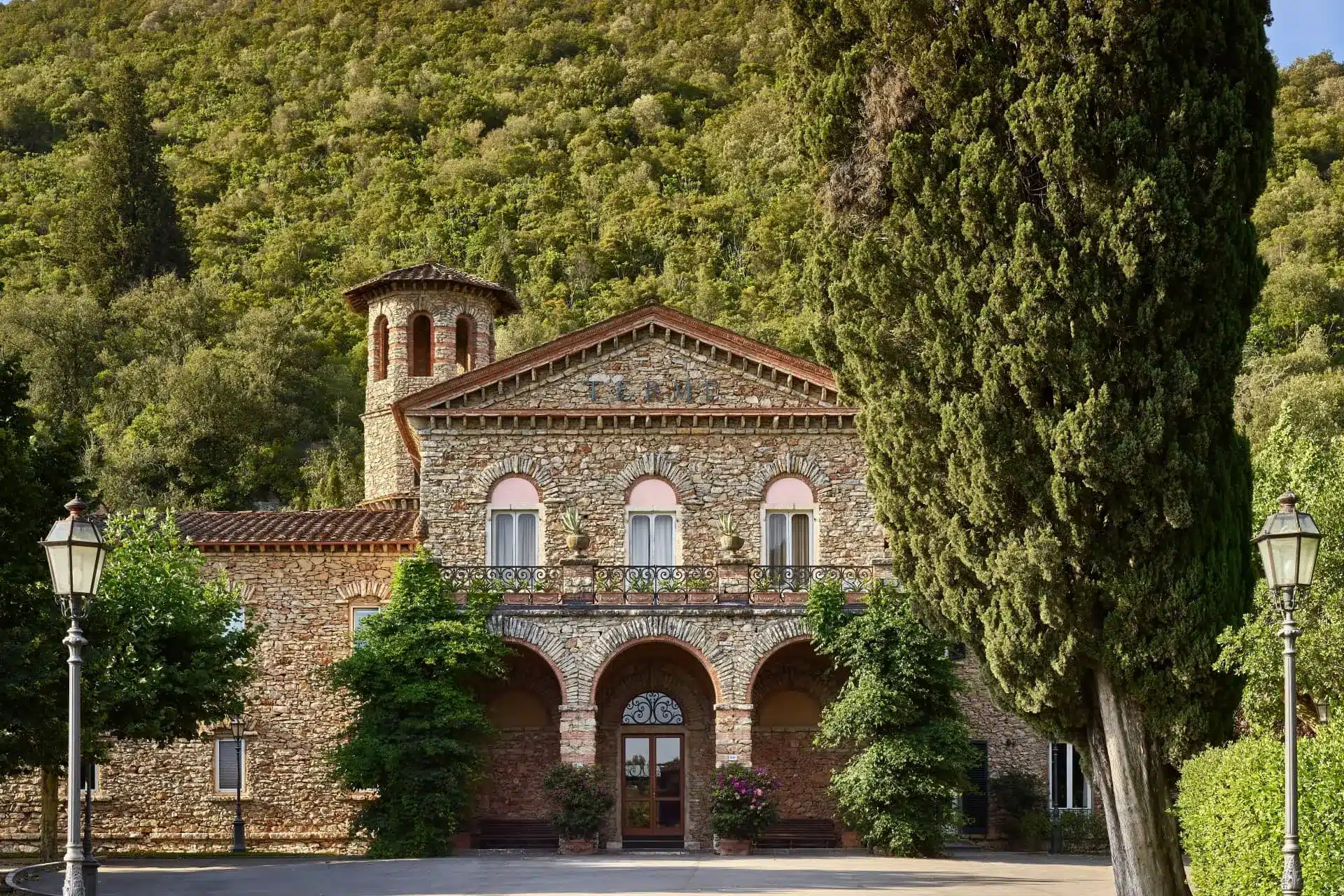
Set within the 19th-century former residence of Italian poet Giuseppe Giusti, the hotel sits directly above a natural thermal cave extending for more than 200 metres. Warm mineral-rich vapour, rock chambers and a subterranean thermal lake have made the grotto a notable wellness setting in Tuscany.
Ten consecutive World Spa Awards titles
Grotta Giusti’s latest award continues a sequence documented across the resort’s official records and previous World Spa Awards results.
Its awards archive records the sixth consecutive title in 2022, followed by the seventh in 2023, eighth in 2024 and ninth in 2025. Italian Hospitality Collection identifies the 2026 result as its tenth successive win.
The World Spa Awards are determined through online voting rather than a judging panel alone. The organisation says spa and wellness professionals and consumers can participate, while nominations may be submitted by industry members or the public before being checked for eligibility.
For 2026, voting opened in May and continued until 4 August. Industry professionals, media and consumers were invited to vote across categories covering hotel spas and wellness retreats, as well as medical spas and destination programmes. Winners were scheduled to be announced on 22 September.
Inside Grotta Giusti’s natural thermal cave
Located in Tuscany’s Valdinievole area, Grotta Giusti describes its cave as Europe’s biggest naturally formed thermal grotto. Its tunnels and chambers descend beneath the hotel, creating a humid underground spa shaped by the surrounding rock and thermal water.
The cave is divided into areas called Paradise and Purgatory, followed by the hottest chamber, Hell. Temperatures range from 28°C to 34°C, while the resort’s announcement places humidity at 98 per cent. The changing warmth allows guests to move gradually through the grotto rather than entering its hottest section immediately.
Rock formations, soft light and clouds of natural vapour give the chambers a secluded atmosphere unlike that of a conventional treatment room. The thermal steam rises naturally within the cave, surrounding guests as they sit or move through its different zones.
Italian Hospitality Collection says the mineral-rich vapour supports respiratory wellness and relaxation, with potential anti-inflammatory effects. These are wellness claims made by the resort rather than findings independently assessed as part of the World Spa Awards.
At the lowest point of the grotto is a natural thermal lake, where the water remains at a constant 36°C. Access is reserved for guided experiences rather than general swimming, helping to limit use of the underground setting.
Floating sessions use the lake for deep relaxation, while Piloga combines movements drawn from Pilates and yoga inside the cave. The resort also offers thermal cave diving, taking guests beneath the surface of the warm subterranean water under guidance.
A spa shaped by a 19th-century discovery
The grotto was discovered in 1849 when quarry workers entered a natural cavity in the hill above Monsummano. Interest in the warm vapour soon encouraged the Giusti family to develop the site as a thermal destination.
The family later built the Albergo Reale in 1880, establishing the accommodation that preceded today’s resort. Italian composer Giuseppe Verdi was among its guests and, according to the property’s historical account, described the cave as the “eighth wonder of the world.”
The present-day hotel retains the character of a Tuscan residence above ground, while the grotto remains its defining feature below. This combination gives guests access to a naturally formed thermal environment without leaving the resort.
Monsummano Terme lies in the Valdinievole landscape between Florence and the Tuscan coast. Visit Tuscany identifies Grotta Giusti as one of the town’s main thermal attractions, centred on the cave discovered on the Giusti family estate.
Italian Hospitality Collection operates Grotta Giusti alongside fellow Tuscan thermal properties Fonteverde and Bagni di Pisa. Each occupies a historic residence connected to natural spring water, although Grotta Giusti’s underground lake and extensive cave system distinguish it within the group.
The 2026 award highlights that subterranean setting: a sequence of naturally heated chambers beneath a historic hotel, culminating in guided floating and diving experiences within the thermal lake.