Four Seasons Resort Maui at Wailea has opened The Queen’s Garden: Uluhaimalama, a courtyard experience dedicated to Queen Liliʻuokalani, Hawaiʻi’s last reigning monarch.
Announced on September 1, the garden invites visitors to explore the Queen’s life and legacy through six self-guided storytelling stations. Each was developed with Hawaiian kumu and cultural practitioners, whose perspectives shape its accounts of history, hula, plants and the surrounding Honuaʻula district.
The experience is open to everyone, whether staying at the resort or visiting from elsewhere on Maui. At its centre is Puʻuwaikilanuiokalani, a pā noa created for hula, ceremonies and other forms of cultural practice. Four Seasons describes it as the only dedicated space of its kind at a Maui resort.
The garden was developed over several years by Aunty Mopsie Tuivaioge, Director of Hawaiian Programs at Four Seasons Resort Maui at Wailea, and Uncle Kevin Gavagan, the resort’s Director of Landscaping and The Queen’s Garden Steward. They worked with Hawaiian cultural leaders to create both an educational experience and a living landscape connected to the original Uluhaimalama garden on Oʻahu.
“Our hope is that everyone who enters leaves with a deeper understanding of Queen Liliʻuokalani’s profound love for the ʻāina, her enduring legacy, and the values she carried forward for her people,” Tuivaioge said.
Six stations tell interconnected Hawaiian stories
Visitors can move through The Queen’s Garden at their own pace, with each of its six stations focusing on a distinct part of Queen Liliʻuokalani’s story or the cultural landscape around Wailea.
The first station, guided by Tuivaioge’s perspective, presents the Queen as resilient and gracious, devoted to her people, and guided by aloha. It considers her personal values alongside her role as a historical figure, including how they informed her leadership and care for Hawaiian culture.
A second station developed with Kumu Hula Cody Pueo Pata places the resort within Honuaʻula, the traditional moku, or district, encompassing this part of South Maui. It explains how the ahupuaʻa system links land and water from mountain to sea. Springs and streams once supported communities and their fishponds throughout Honuaʻula.
The third station addresses the final years of the Hawaiian Kingdom. Shaped by Kumu Hula Hokulani Holt, it examines the political pressure faced by Queen Liliʻuokalani and her choice to relinquish her authority while protesting, in an effort to avoid bloodshed. It also covers her subsequent imprisonment at ʻIolani Palace.
Kumu Hula Kamaka Kūkona leads the fourth station, which explores the role of hula and introduces the garden’s pā noa. Here, hula is presented as a means of carrying history and wider cultural knowledge, including genealogy, between generations.
Queen Liliʻuokalani’s work as a composer is central to this part of the experience. Her mele remain part of hula and other cultural practices, connecting the garden’s dedicated performance space with her creative legacy.
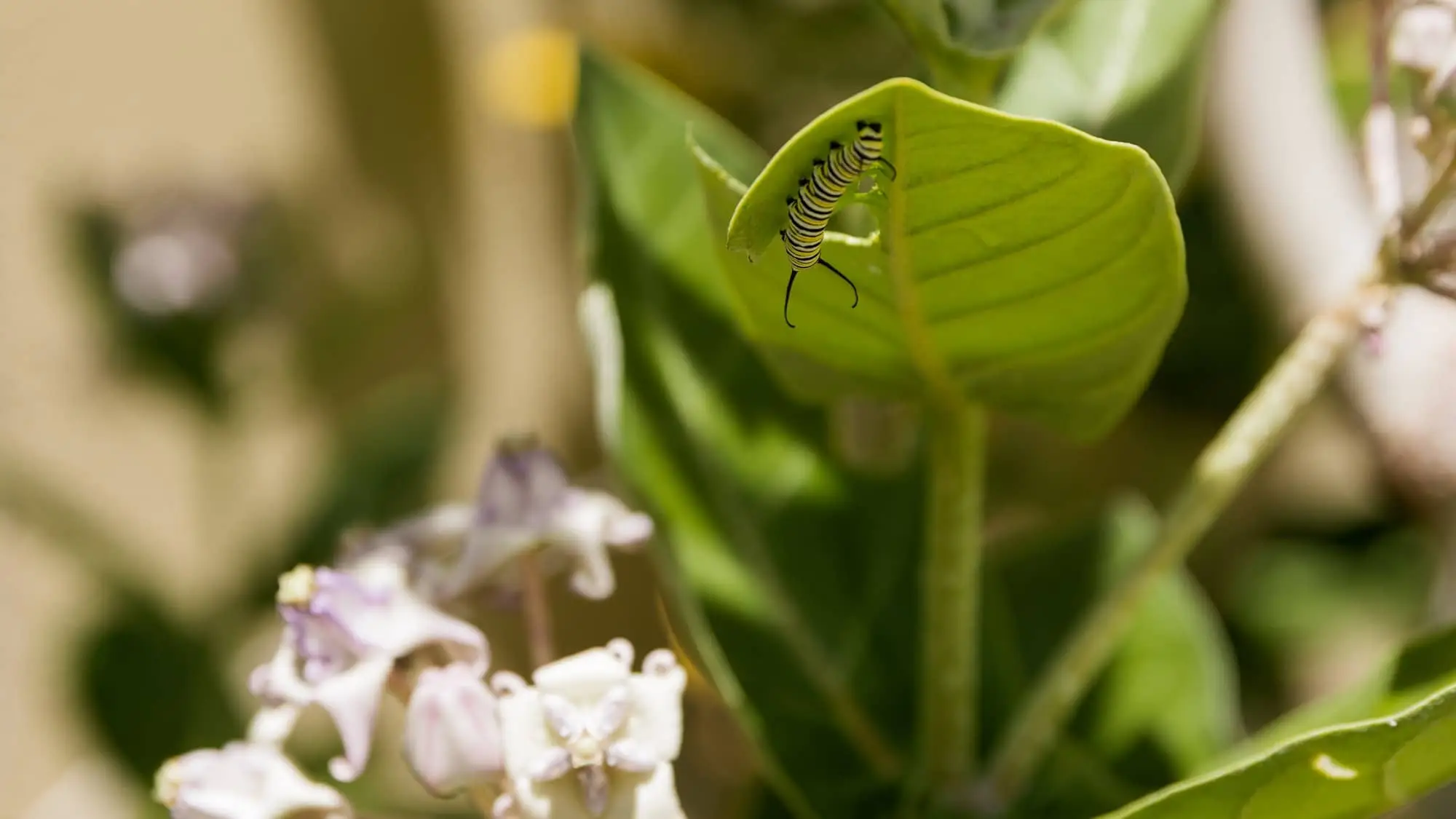
The fifth station turns to plants, scent and memory. Guided by Gavagan, it considers the Queen’s relationship with the flowers she grew, among them are crown flowers, as well as roses, pikake and puakenikeni. Fragrance and living landscapes become ways to preserve personal memory and cultural connection.
The final station was developed with Kumu Hula Karl Veto Baker, steward of Uluhaimalama on Oʻahu. It traces the story of the original garden Queen Liliʻuokalani established in 1894, when it became a place associated with hope during a period of political upheaval.
Puʻuwaikilanuiokalani creates a dedicated place for hula
Set within the courtyard garden, the pā noa is named Puʻuwaikilanuiokalani, translated by the resort as “courageous heart of the heavenly one”. Its name honours Queen Liliʻuokalani’s resilient spirit, while its purpose extends the experience beyond the six interpretive stations.
The space has been designed for hula, cultural gatherings and ceremony. Its role reflects the garden’s presentation of hula as a living storytelling practice, not simply a performance for an audience.
Four Seasons has referred to future community events at the pā noa, although it has not yet published a programme or schedule. When not hosting a gathering, the space remains part of the self-guided garden experience.
Maui plantings connect with the original Uluhaimalama
The garden’s planting creates a direct botanical connection between Maui and Uluhaimalama on Oʻahu. Some specimens are descended from plants at the historic site, while others were gifted from it. Native species associated with Honuaʻula’s cultural and agricultural history also grow within the courtyard.
The section devoted to Uluhaimalama was planted under a full moon. This mirrors how, on the night before its dedication, the Queen arranged the entrance to the original garden beneath a full moon.
Queen Liliʻuokalani set aside land in the uplands of Pauoa for Uluhaimalama. Historical material reproduced by the Bishop Museum records that women were to receive individual areas where they could cultivate flowers. A notice in the Hawaiian-language newspaper Ka Makaainana scheduled the first planting for October 11, 1894, with the Hawaiian National Band expected to attend.
A later newspaper report described Prince David Kawānanakoa planting a lehua tree from Mōkaulele in the centre of the grounds. Prince Jonah Kūhiō Kalaniana ‘ ole planted a lehua ʻāhihi for the Dowager Queen, after which other participants added flowering plants around the garden.
The plants also carried symbolic meanings. Historical interpretations connected hala polapola with the Queen’s favourite lei and fragrance, while kukui represented light for her government. ʻAwa was associated with righteousness for her people and throne.
Uluhaimalama later became connected with Queen Liliʻuokalani’s imprisonment. She was arrested on January 16, 1895, and confined at ʻIolani Palace. Flowers from the garden were reportedly brought to her wrapped in newspapers, allowing information withheld by her captors to reach her, as described in an account of the garden’s history.
The former garden site is now a cemetery in Pauoa Valley. Historic Hawaiʻi Foundation identifies it as a place connected to the 1893 overthrow of the Hawaiian Kingdom, Queen Liliʻuokalani and the delivery of flowers during her confinement. Restoration work on portions of the site is being pursued by the nonprofit Uluhaimalama Cemetery Association.
Visiting The Queen’s Garden at Four Seasons Maui
The Queen’s Garden: Uluhaimalama is located in the interior courtyard of Four Seasons Resort Maui at Wailea. Access is available to hotel guests and other visitors, including Maui residents.
The opening follows the arrival of Kai Holo Spa, the resort’s aquathermal wellness centre unveiled earlier in 2026. Its treatments include a Queen’s Garden Fern Ritual inspired by the garden and its dedication to Liliʻuokalani.
Visitors can contact Four Seasons Resort Maui at Wailea on (808) 874-8000 for current information about access and any forthcoming cultural events.